If you're looking for a place to like with a friendly, Midwestern atmosphere, affordable housing and access to diverse cultural events,
Akron, Ohio is worth a look. Akron, home to 199,100 residents according to the 2010 U.S. Census Report, has been known as the "Rubber Capital of the World" for more than a century. However, although the city is still the headquarters of Goodyear Tire and Rubber Company, Akron is better known today for its innovative work with polymers and is frequently dubbed the "Polymer Capital" instead. More than 400 polymer companies are headquartered in the greater Akron Area.
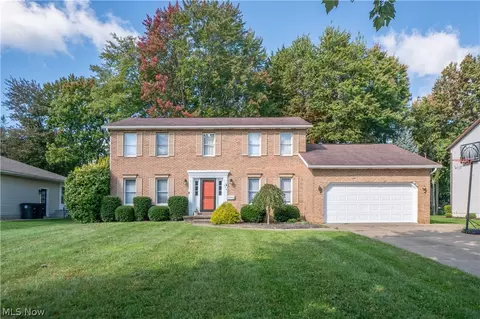
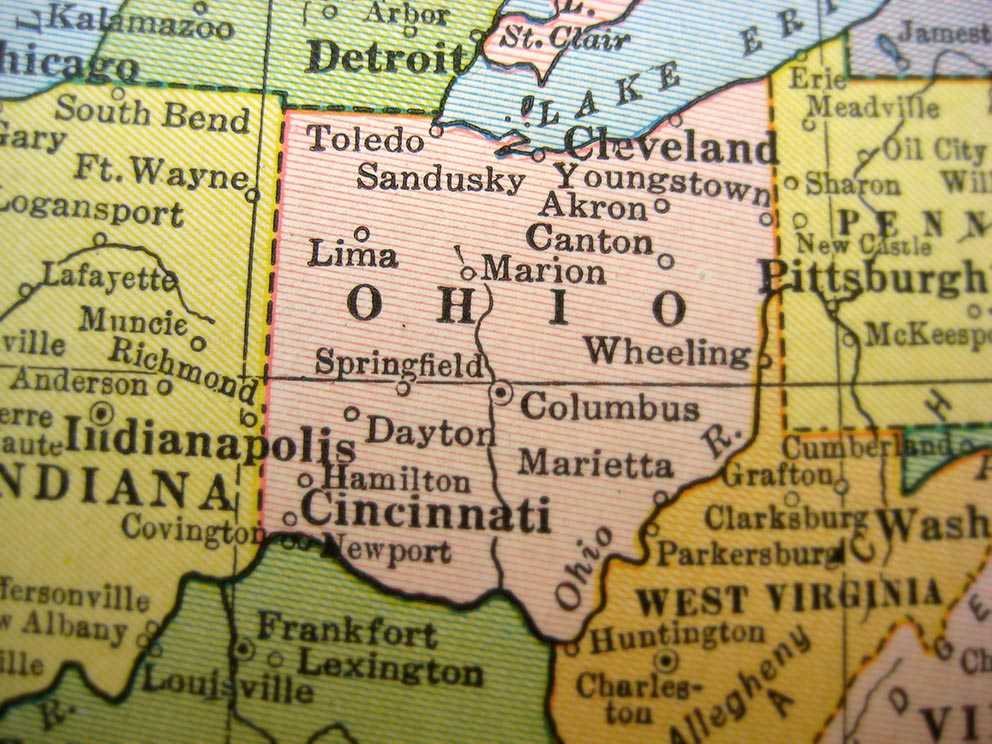
Located 39 miles south of Lake Erie and Cleveland, Akron has held its own when other Midwestern industrial towns have lost jobs and residents to cities in warmer climates with more diverse economies. Those who live in Akron enjoy a low cost of living compared to the national average, close proximity to college and professional sporting events, a plethora of cultural events, and world-class health care facilities. Akron real estate is varied. You'll find everything here from new construction to venerable century homes, to high-rise and semi-detached condos, to luxury mansions.
Property Types in Akron
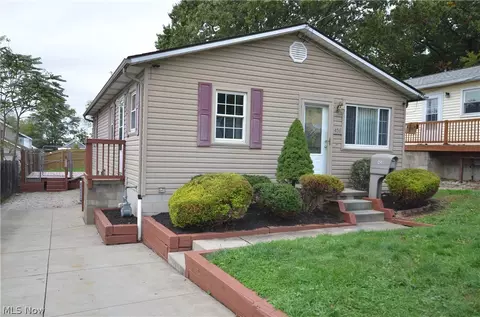
The vast majority of the housing stock in the city of Akron consists of previously owned, single-family dwellings. Condos make up about five percent of the total properties listed in 2015, and new construction accounts for another five to seven percent. The average home on the market in Akron is
1,296-square feet, a figure that has remained constant over the past few years. The most popular neighborhoods in Akron for home sales in 2015 were Northwest Akron, West Akron, Firestone Park (on the city's south side), and Ellet (on the city's far east side.)
Slightly Fewer Available Properties
About 10 percent fewer properties were listed for sale in Akron during 2015 as compared with 2014, although this slightly lower supply did not affect the average sale prices, which remained virtually unchanged over the past 12 months. The most dramatic change in supply was in condo units in Akron, which tend to sell more quickly than single family houses. In general, properties of all kinds stayed on the market for an average of 81 days in 2015. That is a decrease of 13 percent over the previous year. The number of properties on the market in Akron this year ranged from 1,500 to 1,800, with more houses being offered during the summer months, as is generally the case.
Rising Smaller Home Sales
One bedroom homes saw the most dramatic increase in sales in 2015, growing by nearly 14 percent. This can be explained, in part, by the number of first-time buyers entering the market as mortgage interest rates stayed below 4.00 percent and money for home loans became more available in the region. The sale of two-bedroom homes increased by 3.4 percent, and the number of three and four-bedroom homes sold in 2015 remained virtually unchanged from the previous year.