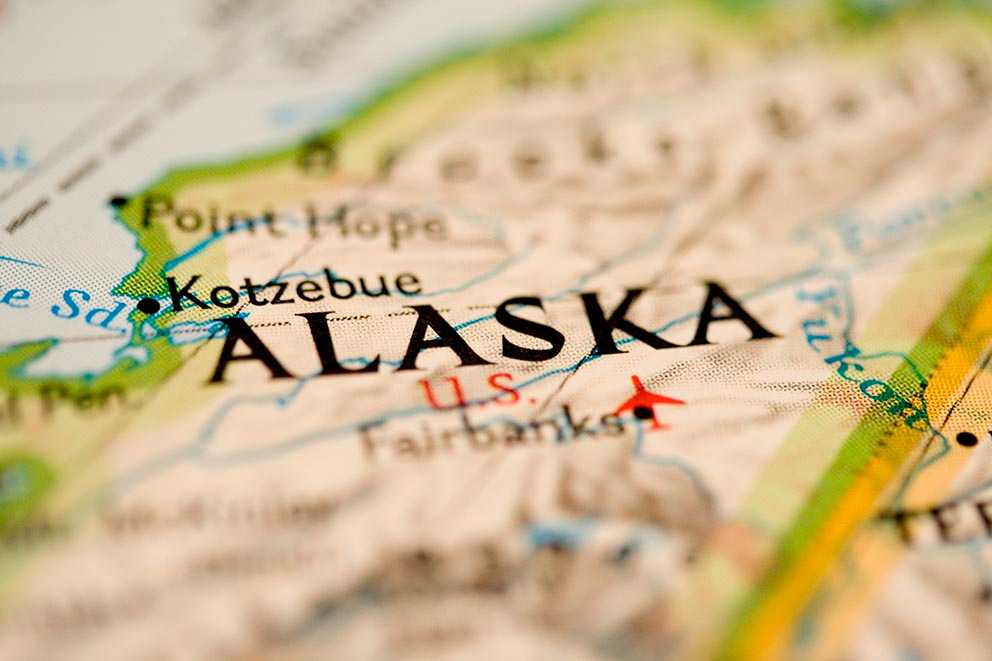
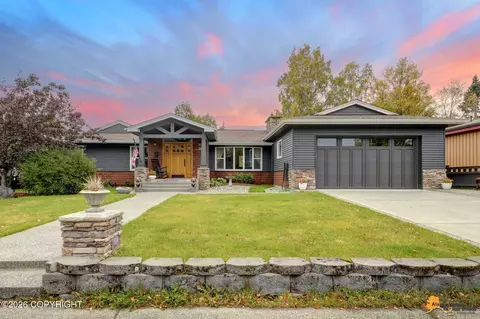
There is a lot more to learn about living in Alaska other than penguins, shoes, weather, etc.
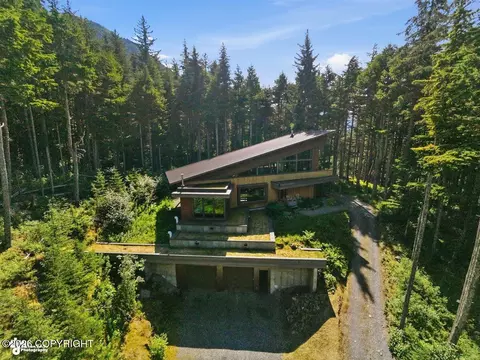
- $3,500,000
- 2Bd
- 3Ba
- 4,100 Sq Ft
New 14 Hours


Alaska at a Glance
Since the days of the Klondike gold rush at the end of the 19th century, Alaska has loomed large in the American imagination. Its apt nickname, The Last Frontier, conjures images of vast, untamed wilderness – and that’s true for much of the state even today. Denali National Park, more than six million acres of taiga and tundra, draws 400,000 visitors per year. The state offers a wealth of outdoor adventure, from guided backcountry treks to “flightseeing” plane trips through the mountains. In the coastal areas like Glacier Bay and Prince William Sound, wildlife watching boat tours are popular for those hoping to spot whales, orcas, and other marine life. With a rich indigenous heritage, cultural and historical tourism are a significant draw as well.
From the Alaska Native Heritage Center in Anchorage to the Barrow Adventure village tour above the Arctic Circle, there is a wealth of opportunity to explore the state’s past and present. Alaska is famous for its sled-dog races, particularly the granddaddy of them all, the Iditarod. The race covers 1,000 miles from Anchorage to Nome and celebrates the historic role of sled-dog transportation in the settlement of the state. Anchorage is by far the largest city in Alaska, and nearly half the state’s total population lives in the Anchorage-Matanuska-Susitna metropolitan area. Fairbanks, the next-largest city, has about one-tenth the population of Anchorage. Juneau, Alaska’s capital, and Fairbanks are each home to about 30,000 residents. Barrow, with a population of just over 4,000, has the distinction of being the northernmost city in the United States and 11th northernmost populated area on the planet.
Top Cities in Alaska
Why You’ll Love Living in Alaska
Though the last big gold rush in Alaska ended in the early 20th century, intrepid people have never stopped finding ways to prosper. The median household income in Alaska of nearly $70,000 is considerably higher than the national figure, $53,000. This number is even higher in metropolitan areas like Anchorage, where household income is a median $76,000. The fossil fuel industry makes up about 80 percent of Alaska’s economy. There are significant oil and gas reserves throughout the state. This sector is the second-largest employer in the state, providing 110,000 jobs and outpaced only by federal government, which accounts for 135,000 jobs, partially due to military bases in Fairbanks and Anchorage. Among private sector employers, Providence Health Services and Walmart/Sam’s Club are the largest. Other significant economic sectors include fishing and tourism. The unemployment and poverty rates for the state are below national averages.
The real estate market fluctuates, to some degree, with the success of the oil industry. However, prognosticators are optimistic about Alaska’s housing market, particularly in Anchorage. Significant gains in the retail industry, as well as the anticipation of revenue from marijuana commercialization, have helped bolster the market. The median home price in the state is $238,000, while a home in Anchorage is a median $277,000. Fairbanks is considerably more affordable with a median list price of $195,000.