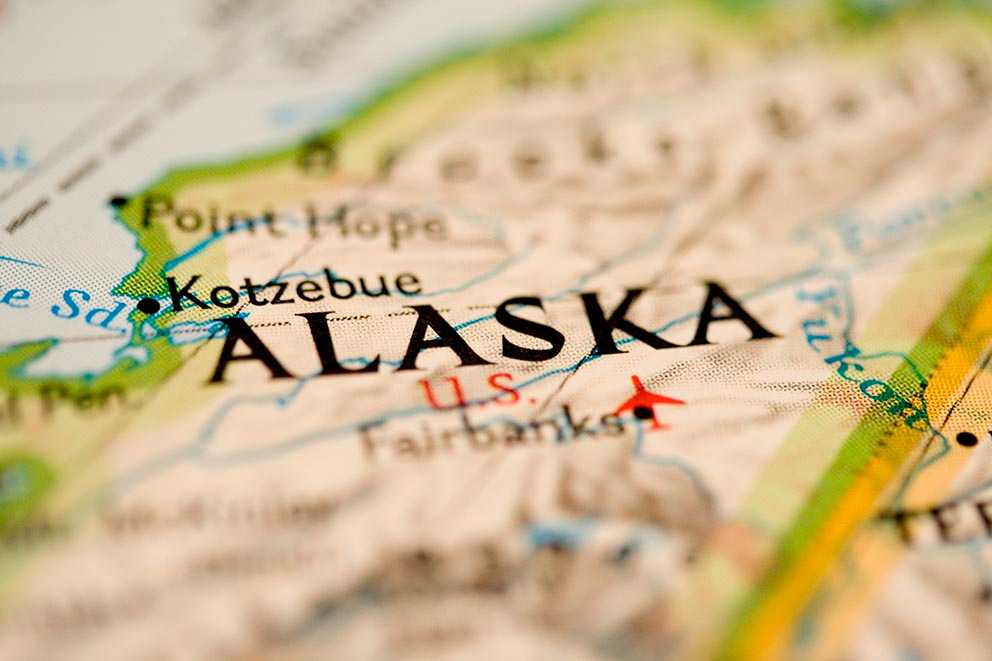
There is a lot more to learn about living in Alaska other than penguins, shoes, weather, etc.
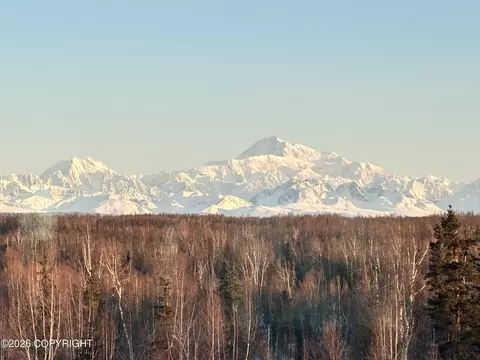
- $999,000
- 2Bd
- 2Ba
- 2,316 Sq Ft


The United States is starting to get a reputation as a workaholic. According to the Organisation for Economic Co-Operation and Development, in 2014, each American worker put in an average of 1,789 hours per year. That might not sound like a lot, but in comparison to other developed countries (United Kingdom, 1,677; France, 1,473; and Germany, 1,371), we could really use a vacation. The good news: Moving to Alaska could help you swing the work/life pendulum back into place.

Source: alaskaminers.org
If you could pick your job up and relocate it to Alaska with nothing else changed, odds are good that you'd have a boost in enjoyment and overall satisfaction: After all, even if you have a long commute you'd be doing it in the midst of the country's most beautiful wilderness. Alaska is also one of the most physically active states in the nation, so you'll have plenty of co-workers looking to lure you out of the office for active pursuits in that beautiful landscape and the plentiful greenspace most Alaska cities enjoy.
But although how many hours you work has an awful lot to do with your work/life balance and satisfaction, there are more factors to consider. Don't forget your average commute length, your average income, housing costs and overall cost of living.
Although Alaska tends to run high in the cost of living department, it also has the highest median wage in the country: $21.32/hour, almost 25 percent higher than the national average. Interestingly, some of the state's highest incomes are in tiny, remote communities, like Skagway, where the average income per person tops $70,000, and Haines, where it's more than $85,000. In the Denali Borough, centered around one of the nation's most popular national parks, the per capita income averages almost $67,000.
That's balanced out by the fact that jobs, resources and amenities are all relatively scarce in tiny communities, and some of those high numbers come from working tourist jobs, which require unrelenting long hours during the busy summer season. If this lifestyle appeals to you it can bring a lot of joy and offer you great work/life balance in terms of having the winter almost completely free -- but it isn't necessarily best if you're concerned about daily work/life balance. Also, the smaller and more remote your community in Alaska, the higher the cost of living tends to be.

Source: steveandrolynn.blogspot.com
If you stay in one of Alaska's more developed cities, your wages might not run quite as high but the cost of living comes down, too. The capital city of Juneau offers the highest big-city wage -- more than $57,000 -- while its relative isolation (you can only get here by boat or air) helps cut down on any possibility of a long commute. Housing costs are relatively low -- third in the state -- and average costs for goods, groceries and services in Juneau are only about 5 percent higher than in Anchorage, the state's biggest city. Add in the mild climate and your ready access to both land- and sea-based activities, and Juneau takes the prize for best work/life balance in the state.
Fairbanks comes next -- as long as you don't mind the smell of woodsmoke, which many households use for extra heating when winter temperatures dip to 40 below. On the upside, you have great odds of seeing the aurora borealis shining overhead when it's clear and cold. You'll also have the lowest housing costs of any major city in Alaska -- $1,228/month if you were looking to rent a two-bedroom apartment until you can buy -- and a healthy per-capita median income of more than $45,000.
With a population of almost 33,000, Fairbanks is big enough to offer plenty of amenities but small enough that you'll never have to worry about an hour-long commute, and its location on the road system keeps costs for goods, services and groceries manageable.

Source: homes907.com
People who live in Anchorage -- the state's only real "big" city, with about 300,000 people -- sometimes take a bit of ribbing for living such an urban lifestyle. But the truth is this is a great place to live, with a healthy median income of almost $55,000 per person and some of the lowest prices you can get on goods and services, thanks to its size and location at the hub of the state's transport network.
Anchorage sprawls, so much so that it can take a half-hour to drive from one end of town to the other. But even at its worst Anchorage traffic is nothing compared to rush hour in a big metropolis, and if you choose your home location carefully you won't have to worry about a long commute. Housing costs run fairly high here -- $1,331 to rent a two-bedroom apartment until you buy -- but you can find great home values in up-and-coming neighborhoods.
If you're a fan of remote Alaska living but don't want to give up your city comforts, Kodiak -- the biggest city on Kodiak Island -- may be the best place of all for you. Housing costs are high -- $1,420 for a two-bedroom apartment -- and average annual income runs around $48,000 per person. But the city's population is just right at 6,500, big enough to have the convenience of big box stores but small enough that before long you'll know almost everybody's name. Plus, there's the fact that you'll be living on an enormous island so lush, it's been nicknamed Alaska's Emerald Isle.
It's Kodiak's location -- just a short ferry trip or plane ride from communities like Seward and Anchorage -- that gives you the feel of isolated independence and a "real Alaskan" lifestyle without actually leaving you hanging, should you need help. But the truth is that if you thrive on rugged landscapes and easy access to both wild adventures and big city comforts, any of Alaska's developed communities will provide a big boost in work/life balance.